
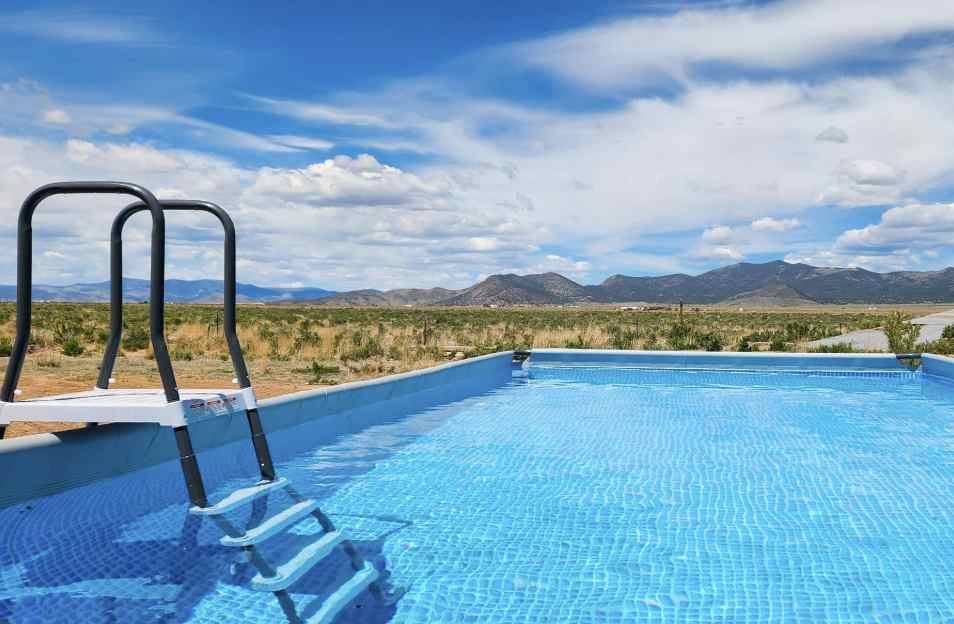
Above Ground Pool with Saltwater System: Is It the Smart Upgrade for Your Backyard?
Tired of constantly adding chlorine tablets and dealing with harsh chemical smells? Here’s the bottom line: an above ground pool with a saltwater system uses a salt chlorine generator to automatically produce chlorine, giving you softer water, lower maintenance, and more stable sanitation.
You still get clean, safe water but without the constant chemical rollercoaster. In my experience installing and converting above ground pools, this upgrade dramatically reduces weekly maintenance while improving swimmer comfort.
Let’s break down whether it’s right for your pool.
What Is an Above Ground Pool with Saltwater System?
It’s a standard above ground pool equipped with a salt chlorine generator (SCG).
Here’s how it works:
- You add pool-grade salt to the water.
- The generator converts salt into chlorine through electrolysis.
- The chlorine sanitizes the pool.
- The process continuously repeats.
Important: It’s not chlorine-free. It simply creates chlorine automatically at lower, steadier levels.
The mistake I see most often is homeowners thinking salt pools eliminate testing. You still test weekly—but you’ll make fewer chemical adjustments.
Why Should You Consider a Saltwater System for an Above Ground Pool?
1. Lower Ongoing Maintenance
With traditional chlorine pools, you’re:
- Adding tablets every few days
- Shocking regularly
- Fighting fluctuating chlorine levels
With saltwater, chlorine production is consistent. In my experience, this stability prevents algae outbreaks and reduces emergency chemical runs.
Here’s what actually works:
Test weekly, clean the salt cell every 3–6 months, and monitor salt levels seasonally.
2. Softer, More Comfortable Water
Saltwater pools contain about 3,000 ppm of salt—much less than ocean water (~35,000 ppm).
You’ll notice:
- Less skin irritation
- Fewer red eyes
- No strong chlorine odor
Families with kids especially appreciate the gentler feel.
3. Long-Term Cost Savings
Upfront investment: typically $800–$1,500 for most above ground-compatible salt systems.
However, you save on:
- Chlorine tablets
- Shock treatments
- Algaecides
Most pool owners I’ve worked with recover the cost within 2–3 seasons, depending on usage.
Are There Any Drawbacks?
As a decision maker, you need the full picture.
Higher Initial Setup Cost
Salt systems cost more than a basic chlorine floater setup.
Equipment Compatibility
Not all above ground pools are salt-friendly.
Look for:
- Resin or corrosion-resistant components
- Salt-rated pump and filter systems
- Proper bonding and grounding
Cell Replacement
Salt cells last 3–5 years on average. Replacement costs vary but are typically several hundred dollars.
Neglecting water balance is what shortens cell life—not the salt itself.
Is an Above Ground Pool with Saltwater System Right for You?
It’s ideal if you:
- Want less hands-on chemical maintenance
- Plan to keep your pool several years
- Value swimmer comfort
- Prefer automation
It may not be ideal if you:
- Want the lowest upfront cost
- Only use your pool occasionally
- Don’t want to monitor equipment periodically
In my experience, homeowners who regret not switching usually waited too long.
Final Verdict: Should You Upgrade?
If you want simpler maintenance, better water feel, and long-term value, an above ground pool with saltwater system is a smart investment.
Before installing:
- Confirm equipment compatibility
- Size the generator correctly for your pool gallons
- Consult a pool professional if unsure
You don’t need more chemicals—you need smarter water management.
Ready to upgrade your backyard experience? Start by checking your pool’s gallon capacity and exploring saltwater systems designed specifically for above ground models.